

SupernaturalBC.com.cn Is Live: What Destination BC's China Platform Launch Means for BC Operators Right Now
Destination BC has rebuilt its China market discovery infrastructure for the first time in eight years. The platform is live, hosted in China, and designed to convert Chinese HNW traveler interest into BC bookings. What it cannot do is make an operator's market signal legible to a traveler class it was never designed to reach. That is the gap the platform has just made visible — and it has a precise closing mechanism.

The 74% Figure: What the BCBC DRIPA Survey Actually Says About Capital Allocation in BC's Resource Corridor
74% of BC senior executives surveyed by the Business Council of BC are decreasing investment plans due to DRIPA uncertainty. That number is not a political signal. It is a capital allocation decision in real time — and it is creating the exact structural opening that Nations with sovereign equity positions were built to occupy.
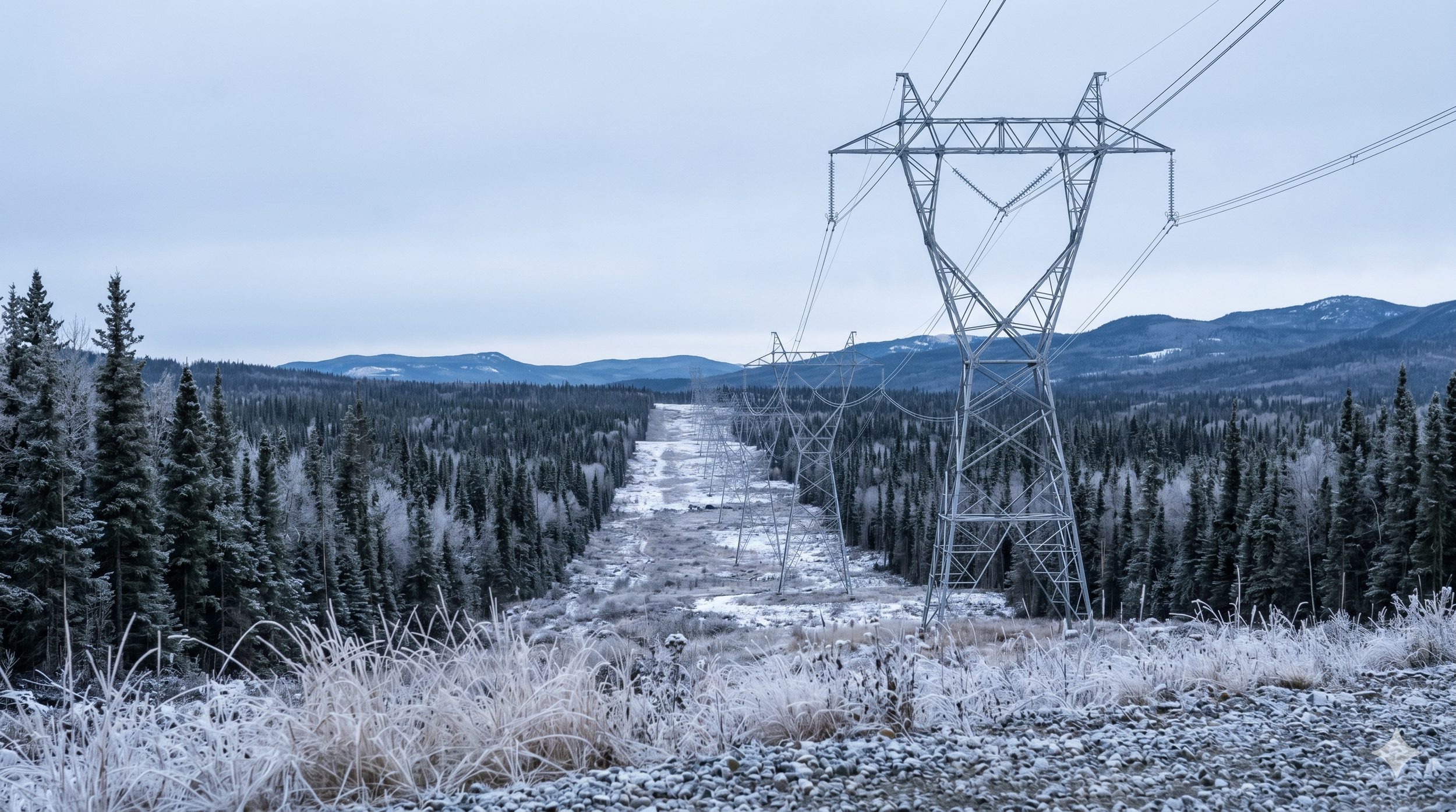
When Fasken and RBC Publish Simultaneously: Reading the Indigenous Equity Pre-Positioning Signal
Fasken and RBC do not publish simultaneously on an emerging asset class unless institutional capital is being pre-positioned for a transaction wave. Fasken has named transmission lines as the next major Indigenous equity category. RBC has confirmed community appetite and rated every federal program as deployment-ready. The Nations who understand what simultaneous advisory publication means will enter the next transaction window correctly. The ones who don't will arrive after the terms have been set.

The Federal Capital Stack Is Complete: What the Canada Strong Fund Means for Indigenous Infrastructure Equity
The Canada Strong Fund is not a new policy commitment to Indigenous equity. It is the fifth instrument in a federal capital architecture that has been built, sequentially and deliberately, to occupy every layer of the capital stack — from project debt to AAA guarantees to commercial equity co-investment. The architecture is now complete. The Nations who understand what that means will enter the next transaction window with a different set of options than they held 18 months ago.
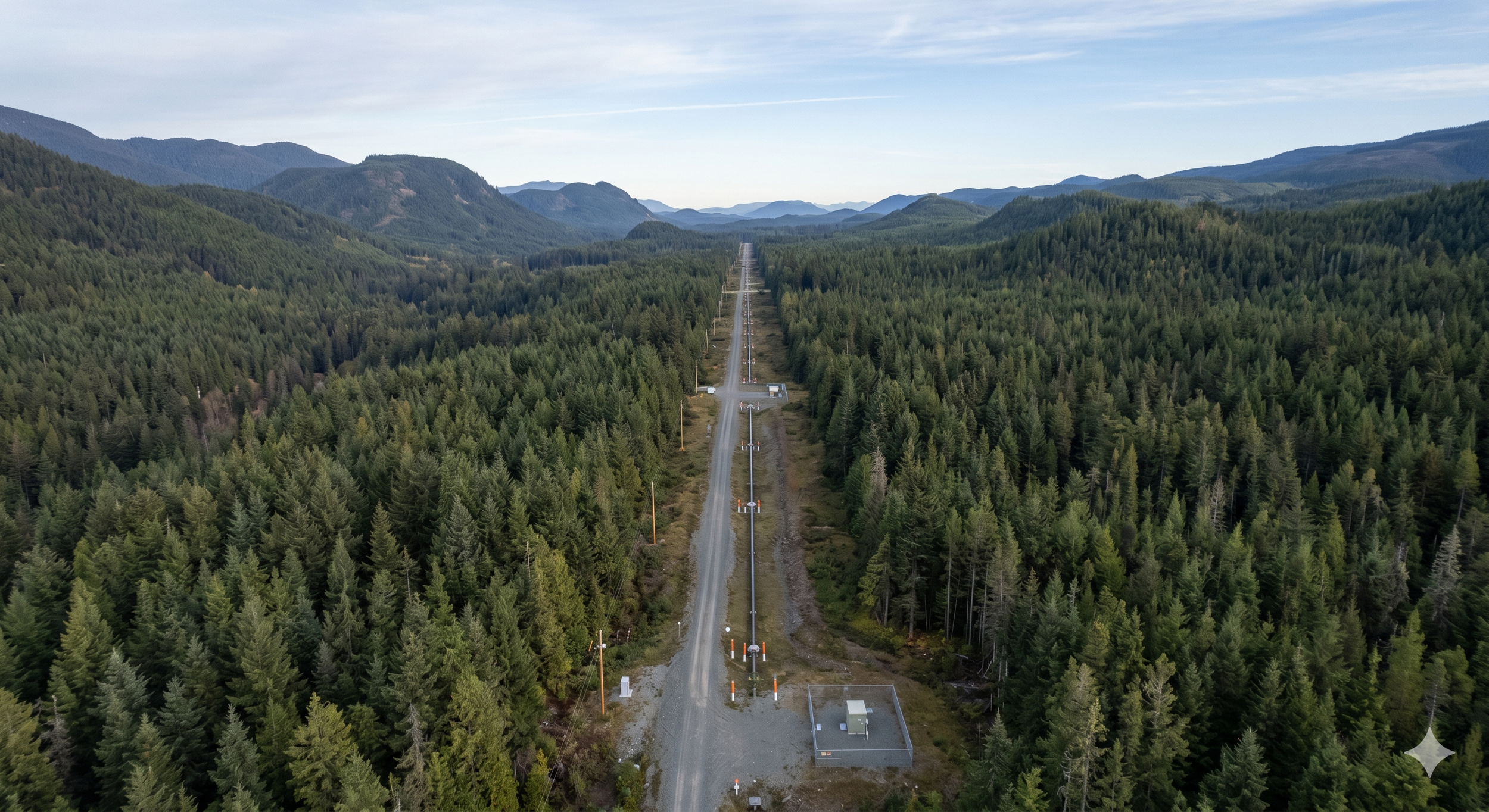
Equity as Approval Architecture: What the Sunrise Expansion Approval Proves About the Stonlasec8 Template
The federal government approved a $4 billion pipeline expansion and named Indigenous equity as the mechanism that cleared it without referral to the Major Projects Office. That is not a policy statement. It is a documented causal relationship between ownership position and regulatory velocity — and it reframes every future infrastructure equity conversation in BC's resource corridor.

Destination Canada's 9.8% Overseas Growth Forecast: The BC Operator's Window Is Already Open
Destination Canada has published a 10-year forecast projecting overseas market revenue growing at 9.8% annually — and classified tourism as a strategic export sector in Canada's $300 billion non-US trade strategy. The reshoring dividend that is lifting 2026 numbers is a two-year phenomenon. The decade belongs to the international traveler, and the operators who move now will not be competing for them.
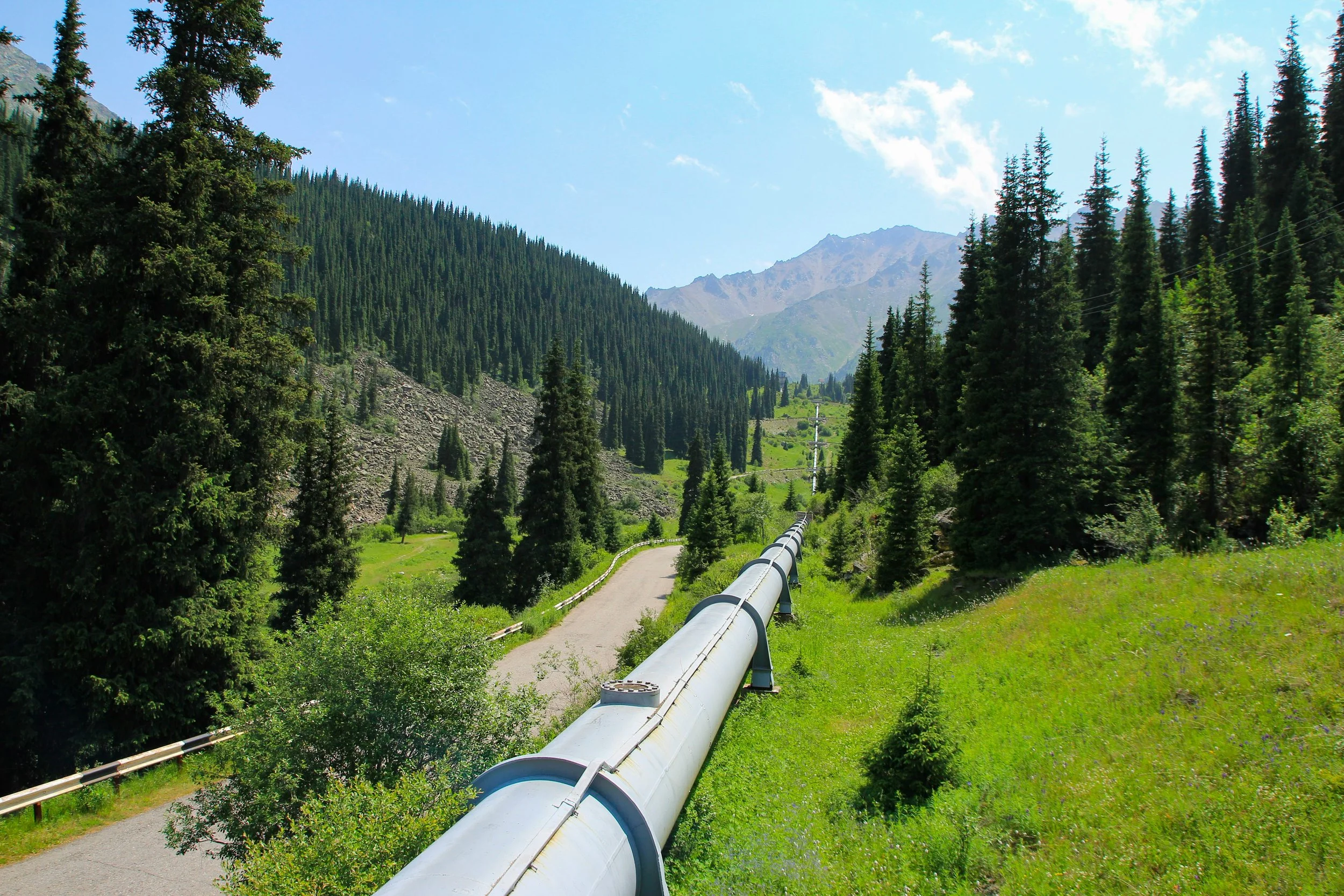
The Stonlasec8 Capital Stack: What a $715M AAA-Rated BC Pipeline Transaction Proved
The transaction was not historic because it was large. It was historic because it was structured. A 38-Nation coalition, a 65-year operating asset, a federal guarantee instrument rated AAA, and an institutional advisory syndicate on both sides. Lexpert has now called it a template. That word has a specific meaning in capital markets.

BC's Adventure Tourism Permitting Hub: What the Tenure Clears and What It Doesn't
The BC government removed the permitting friction that has been suppressing adventure tourism investment for a decade. What it did not remove is the constraint that will determine which operators convert that access into a defensible market position — and which ones spend two seasons waiting for bookings that are routing to someone else.
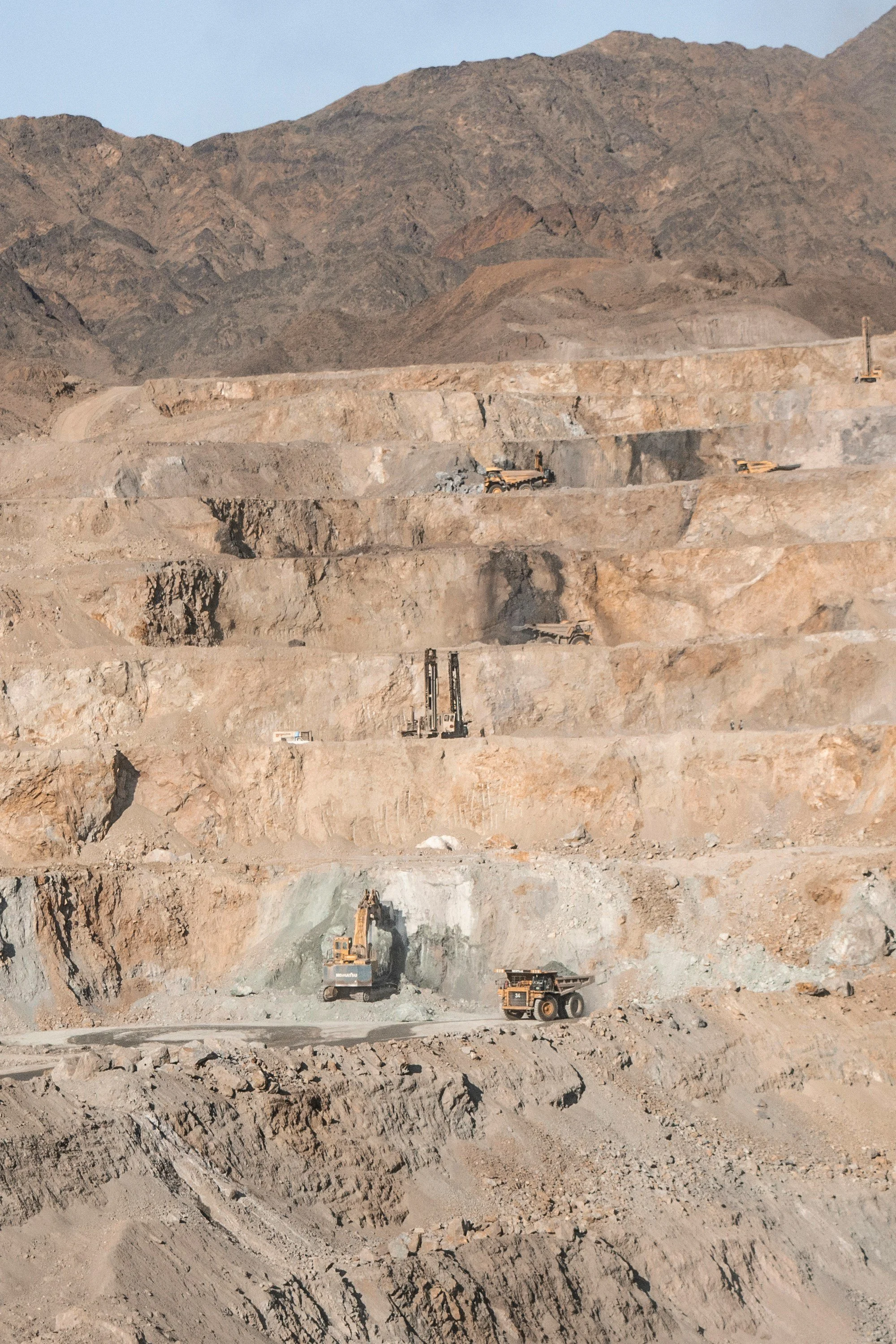
The Selkirk Copper $30M Bought Deal: What a Four-Bank Syndicate Just Confirmed About Indigenous Equity
A controlling equity stake. A four-bank syndicate. A bought deal upsized on investor demand within 24 hours of announcement. The Selkirk First Nation did not negotiate access to the Minto mine — they purchased it at distressed pricing and capitalized it on institutional terms. The sequence is the argument.
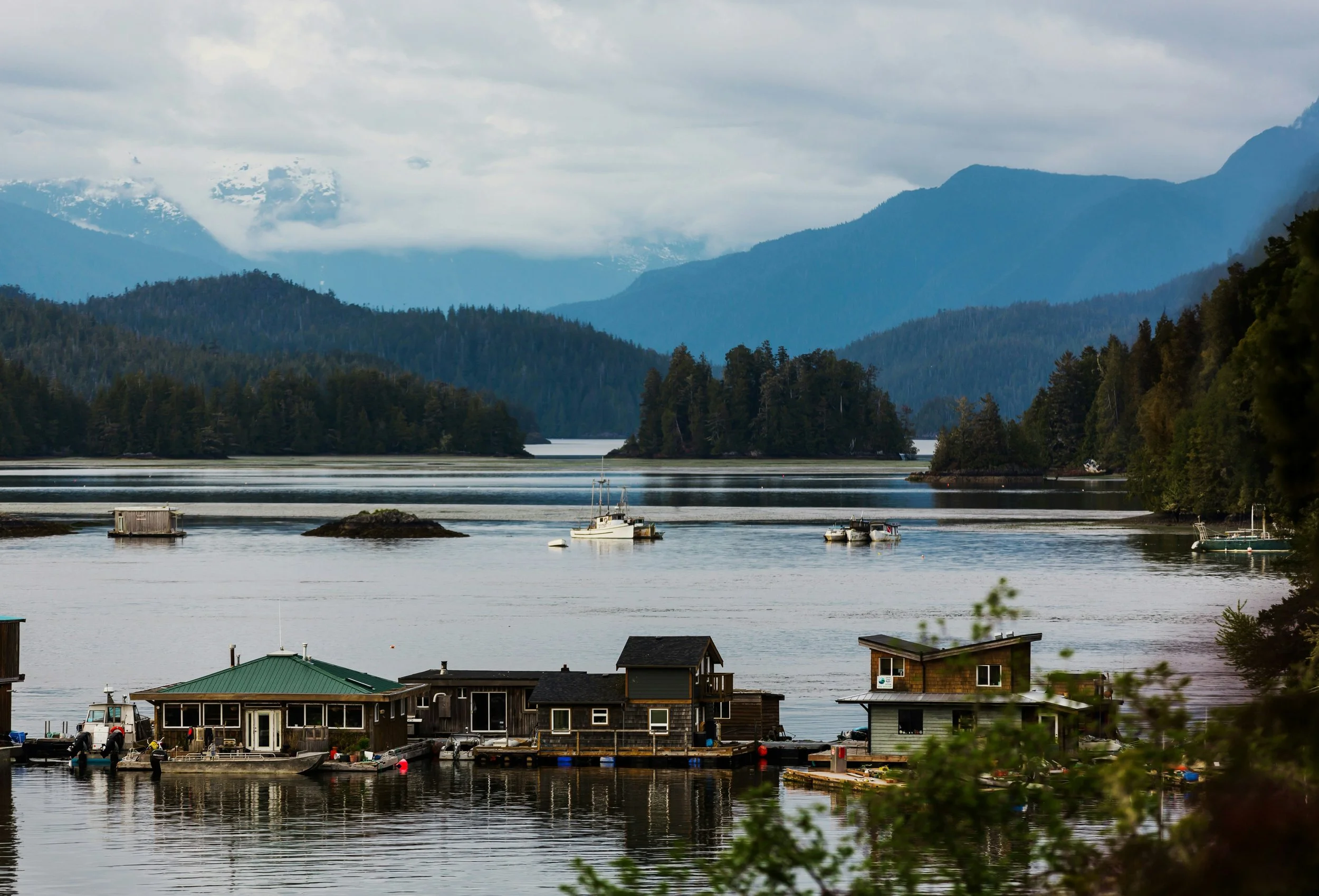
The WTTC Redistribution Signal: What Canada's Stable Tourism Position Inside a Declining North America Actually Means
Canada held its tourism position while the United States declined 4.6% in international visitor spend. Most BC operators are reading that as neutral. The WTTC data says it is a redistribution signal — and the window to intercept that flow is already open.

Indigenous Equity as Infrastructure: What the TC Energy CEO's $1 Trillion Argument Actually Means
Canada's foreign investment position eroded by $900 billion over a decade. TC Energy's CEO named Indigenous equity partnerships in the same argument. That is not a policy statement — it is a capital-markets signal that has been misread by most of the operators it concerns.

The DRIPA suspension does not retract Aboriginal title. The capital market is mispricing the distinction.
The province's legislative maneuver and the Nuchatlaht court ruling arrived in the same week. One is being treated as a de-risking signal. The other — the one that actually expands jurisdictional exposure — is being underweighted.

Capturing Tech Capital in a Grid-Constrained World
Global data centers are starving for unconstrained grid capacity. Sovereign EDCs possess the jurisdictional authority to bypass provincial bottlenecks via independent micro-grids. However, to capture this high-margin tech capital, EDCs must upgrade their visual infrastructure to signal unassailable commercial authority to global Hyperscalers.

The $200B Transition: Why IEDCs Must Signal Commercial Authority
The Pacific Northwest is undergoing a $200B macroeconomic transition. Sovereign EDCs are no longer participating in this economy—they are the underwriters of it. But if your corporate visual footprint still signals 'localized sub-committee' rather than 'commercial authority,' you are structurally subordinated when negotiating for Tier-1 capital.

The 39% Advantage: Why Sovereign Boardrooms Are the New Engine for WACC Compression
The era of treating Indigenous partnerships as a regulatory checkbox is over. Today, integrated Indigenous equity is the primary structural engine for project viability, accelerating regulatory approval timelines by up to 39%. But to secure this advantage and compress your WACC, you cannot rely on a legacy community brand. You must visually prove your institutional capacity to global capital.

The Governance Pivot: Why Co-Governance Legislation is the Ultimate Regional Asset
Legislation is rarely cinematic, but the modernization of the Island Coastal Economic Trust is the definitive signal of a new era. From the co-development of co-governance models to the 13.5-acre Snaw-Naw-As Farm Hub, the coast is building permanent regional infrastructure. Discover why these 'defining chapters' are the ultimate strategic assets—and why your market signal must match the weight of your legacy.

Place DNA: Why Cinematic Provenance is the Ultimate Asset for Destination Brands
The era of the 'moving brochure' is over. To access vital provincial funding like the DDF and MRDT, resorts and DMOs must transition their visual assets into 'Digital Interpretive Infrastructure.' Discover how codifying your 'Place DNA' not only captivates high-value travelers but creates 'pickup-ready' content that Destination BC amplifies across their global channels for free. Stop selling the view, and start selling the provenance.

Why Indigenous Nations are the New Gatekeepers of AI and Energy Infrastructure
Tech giants are starving for compute power and data immunity. As the AI boom accelerates, First Nations are becoming the sovereign gatekeepers to both. Discover how the Malahat Nation’s Indigenous-led AI utility and federal mandates for Indigenous Data Sovereignty are rewriting the rules of global digital infrastructure—and why your market signal must evolve to capture this unprecedented leverage.
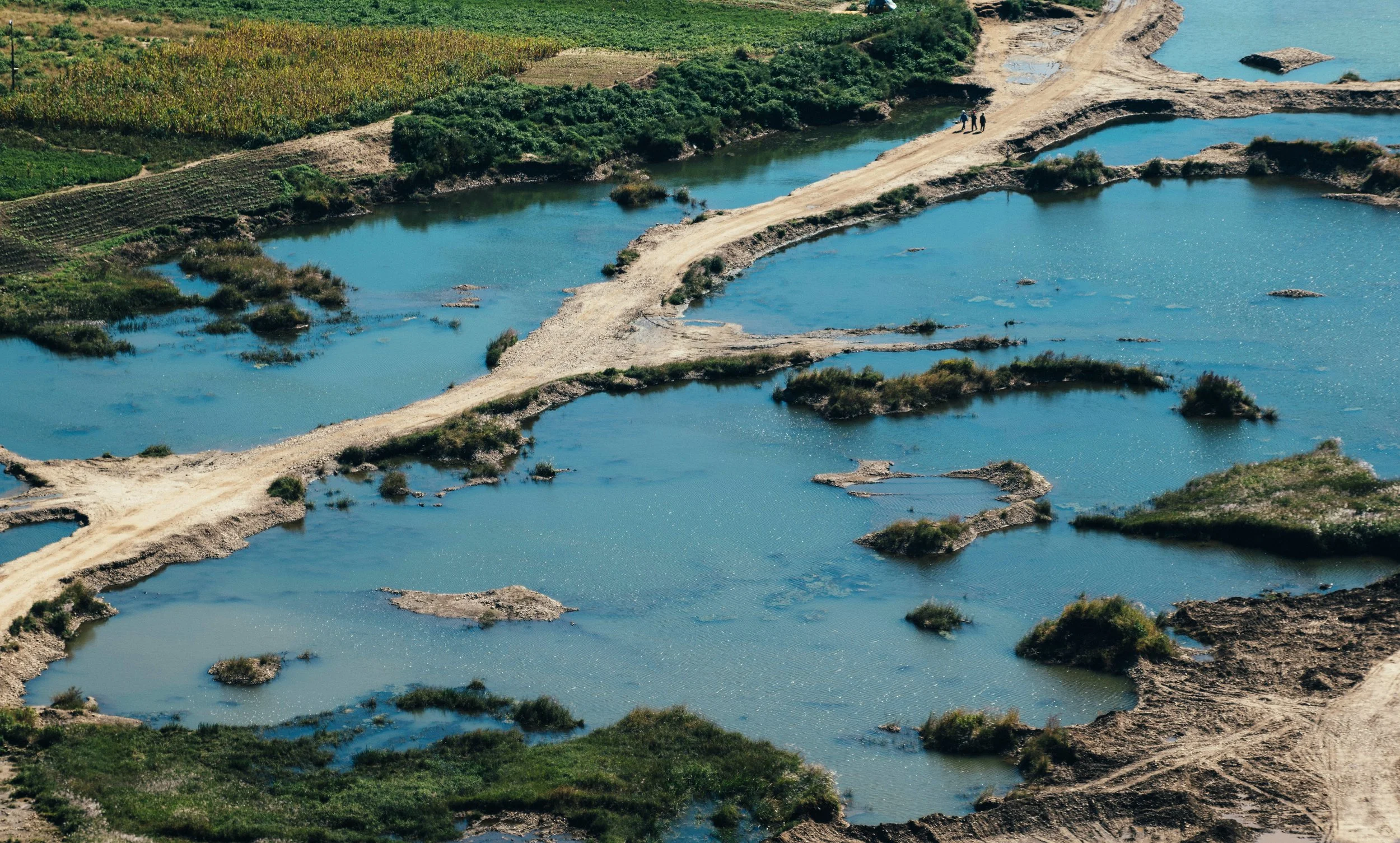
Why Owning the Cure is the Next Major Economic Engine
Mining companies don't just extract resources; they leave behind multi-billion-dollar liabilities. As the recent $6.9B Elk Valley sale proved, traditional cleanup models are failing. Discover why capital markets now demand 'Social Closure,' how highly ESG-aligned projects secure a 40% capital discount, and why forward-thinking Indigenous groups are stepping in not as vendors, but as the ultimate “Reclamation Utility.”

Concrete depreciates. Sovereignty appreciates.
As atmospheric rivers expose the limits of standard grey infrastructure, the financial sector is quietly rewriting the rules. RBC recently reclassified nature as an 'investable asset class.' Discover why protecting a watershed is no longer a charity project, but the deployment of high-yield bio-infrastructure—and why your market signal must evolve to match this $1B boardroom reality.